Buying guide
Best Tennis Rackets for Tennis Elbow
If your arm is sensitive, the right tennis racket should feel calm before it feels powerful. Prioritize comfort, stable contact, and a forgiving response so off-center hits do not punish your elbow.
Short answer
The best tennis racket for tennis elbow is usually an arm-friendly frame with comfort, stability, and easy swing effort. If your elbow is already irritated, avoid chasing raw power first; a calmer, more forgiving racket is the safer shortlist.
Evaluation basis
How these picks are evaluated
A useful buying guide should show why a racket belongs on the shortlist. RacketFit evaluates each pick through specs, fit signals, and the buying risks for this topic.
This shortlist starts from the buyer need behind best tennis rackets for tennis elbow, then filters the database for rackets that match that job.
Weight, head size, stiffness, string pattern, and price tier set the baseline before any pick label is assigned.
RacketFit checks level, play style, comfort needs, forgiveness, power, control, spin, stability, and maneuverability before ranking picks.
Each pick is treated as a fit decision, not a popularity vote, so the page highlights practical compromises like comfort versus stiffness or forgiveness versus precision.
These are comparative buying signals, not lab measurements or paid rankings.
Read the scoring methodologyQuick Answers
Arm comfort · 295g · 100 sq in
Strong for arm comfort, but players who need free power should compare livelier alternatives.
Best alternative Yonex Ezone 100Balanced power · 300g · 100 sq in
Strong for balanced power, but players chasing maximum precision may want a more control-focused frame.
Best value Head Gravity MPComfortable control · 295g · 100 sq in
Strong for comfortable control, but less ideal for free power seekers.
Best comfort fit ProKennex Ki Q+ 5Tennis elbow concerns · 300g · 100 sq in
Strong for tennis elbow concerns, but less ideal for ultra-light preference.
Top Picks
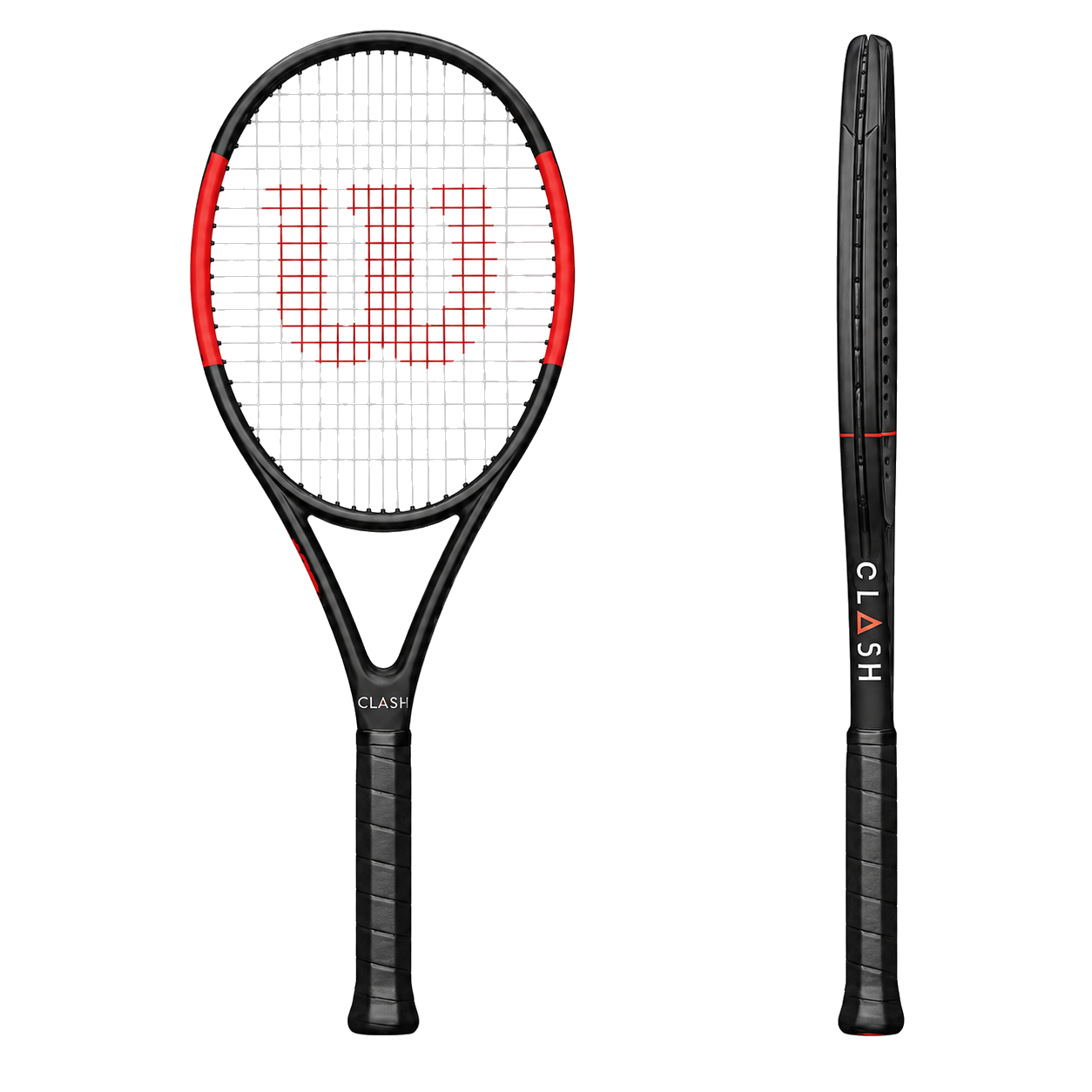
Wilson
Clash 100
Built for arm comfort and easy depth.
Strong for arm comfort, but players who need free power should compare livelier alternatives.
A flexible, arm-friendly racket for players who need comfort, forgiveness, and enough control for all-court play.
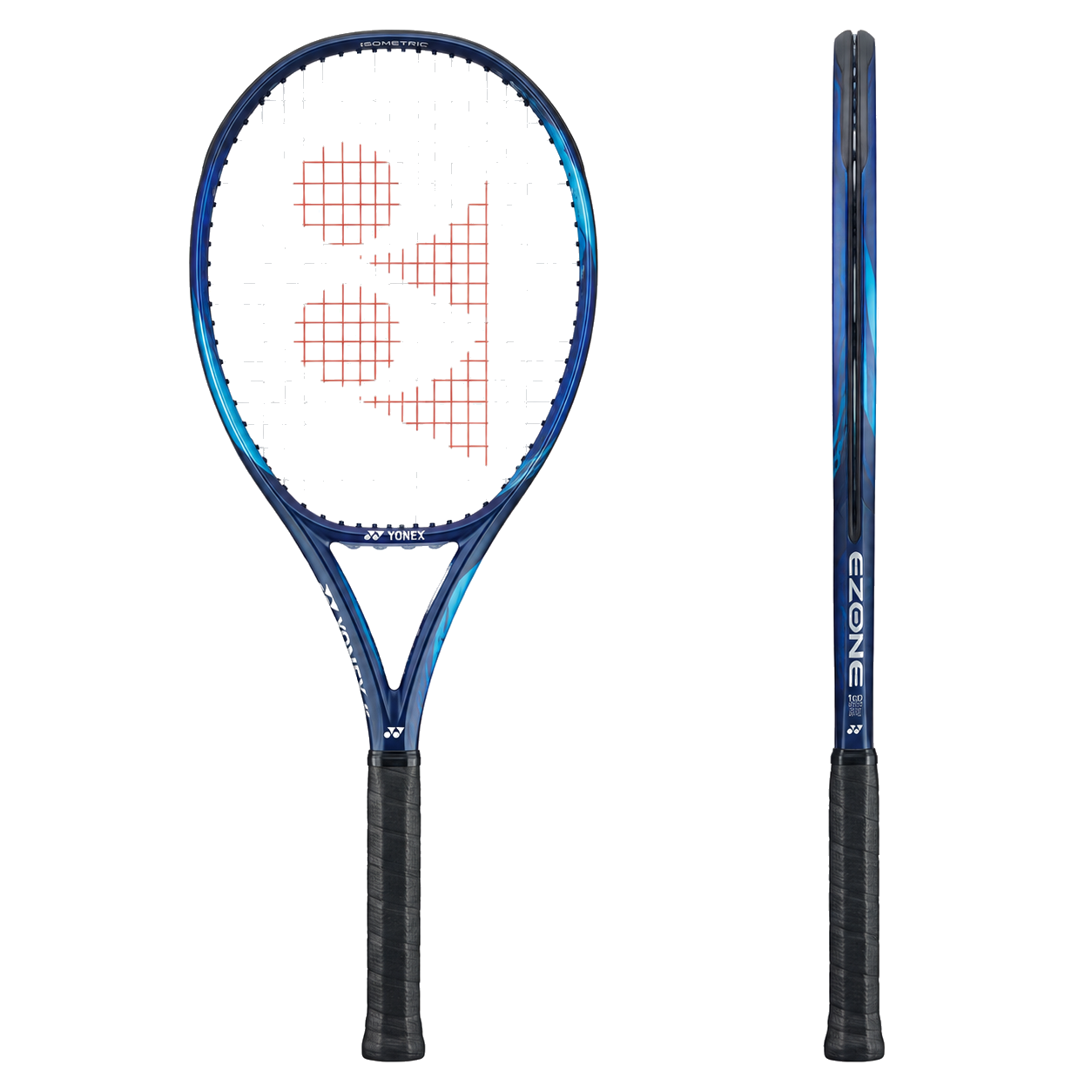
Yonex
Ezone 100
Built for balanced power and forgiving response.
Strong for balanced power, but players chasing maximum precision may want a more control-focused frame.
A versatile modern racket with easy power, strong comfort, and a forgiving sweet spot.
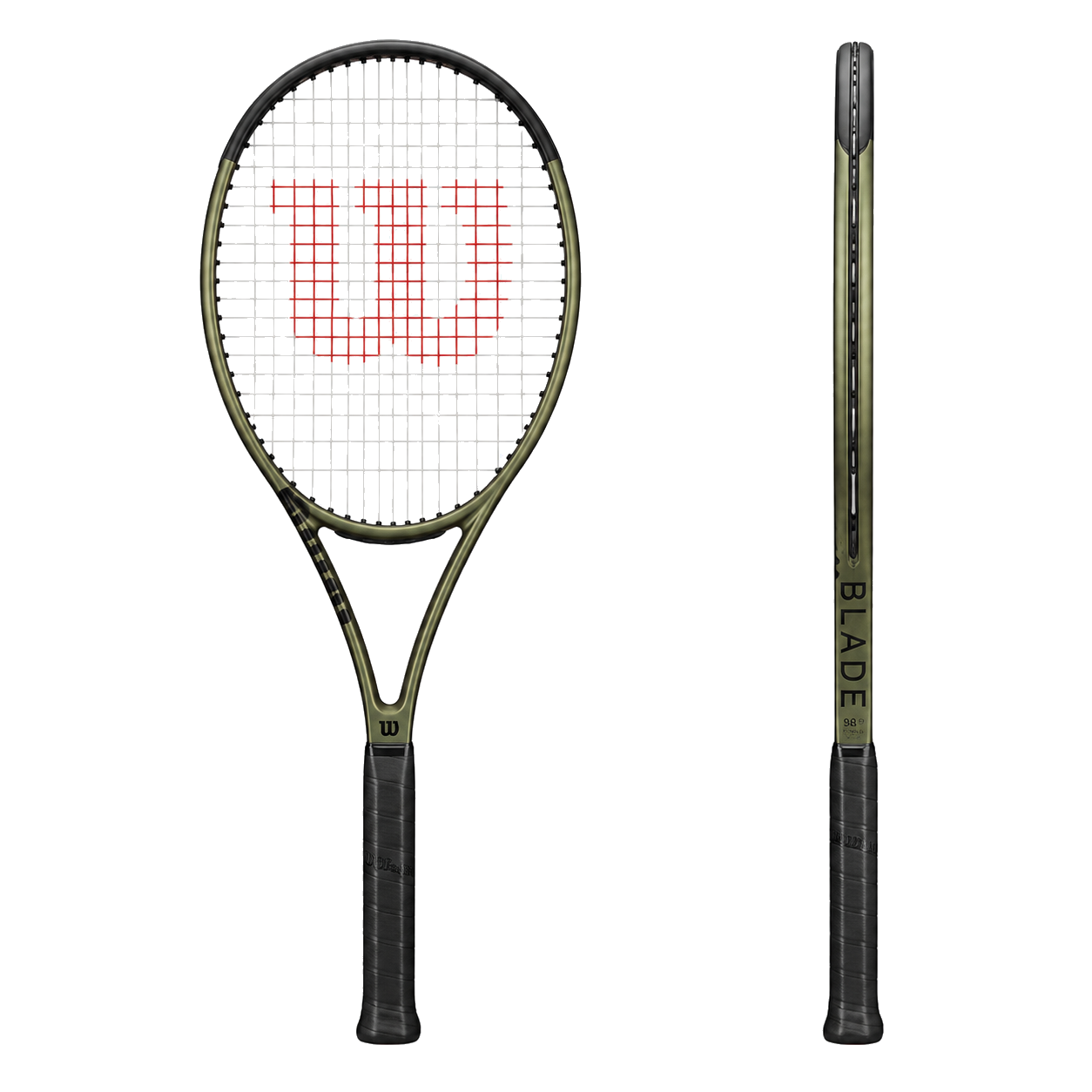
Head
Gravity MP
Built for comfortable control and all-court players.
Strong for comfortable control, but less ideal for free power seekers.
A comfortable control racket for players who want precision and feel without a harsh response.
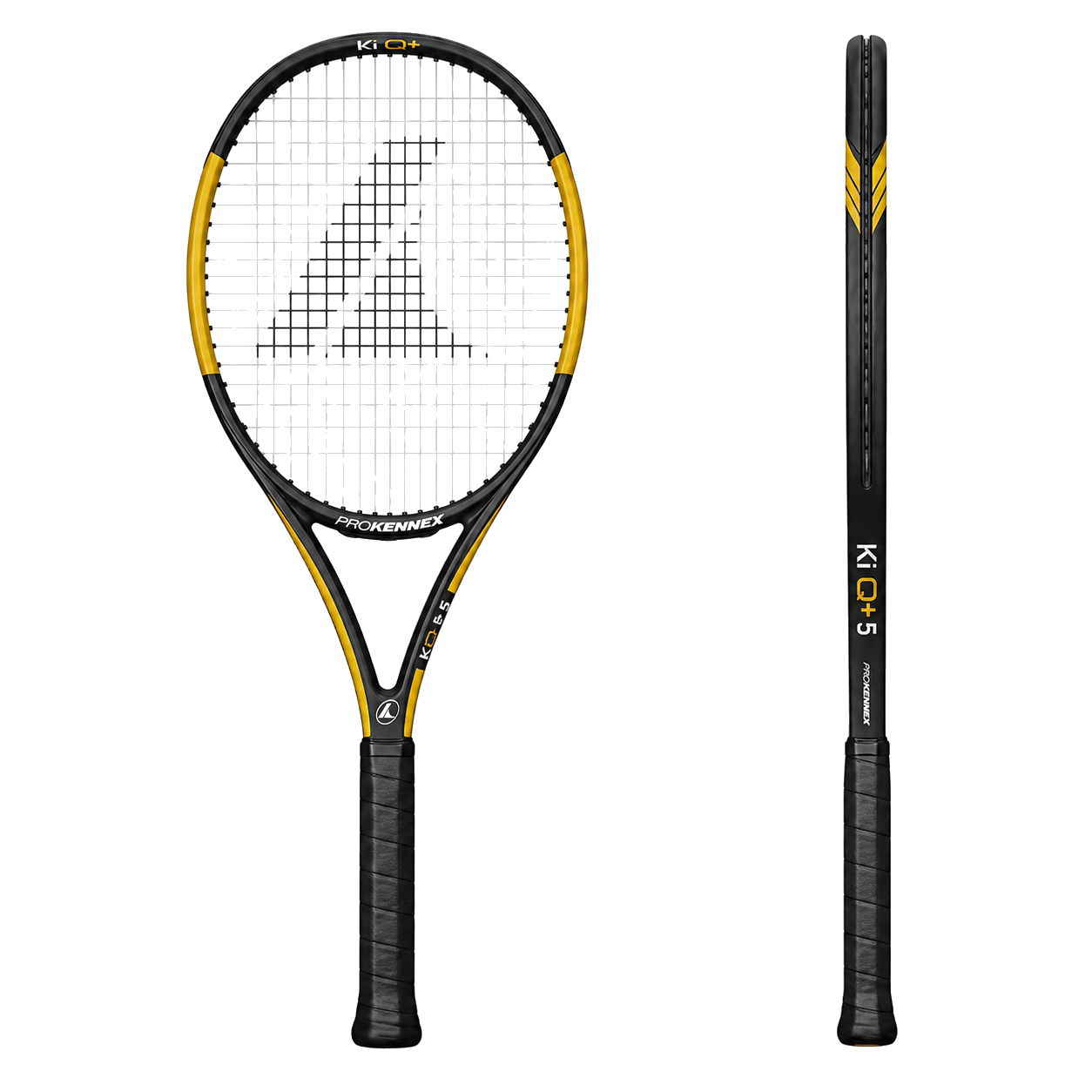
ProKennex
Ki Q+ 5
Built for tennis elbow concerns and stable comfort.
Strong for tennis elbow concerns, but less ideal for ultra-light preference.
An arm-friendly performance racket for players who put comfort and vibration dampening first.
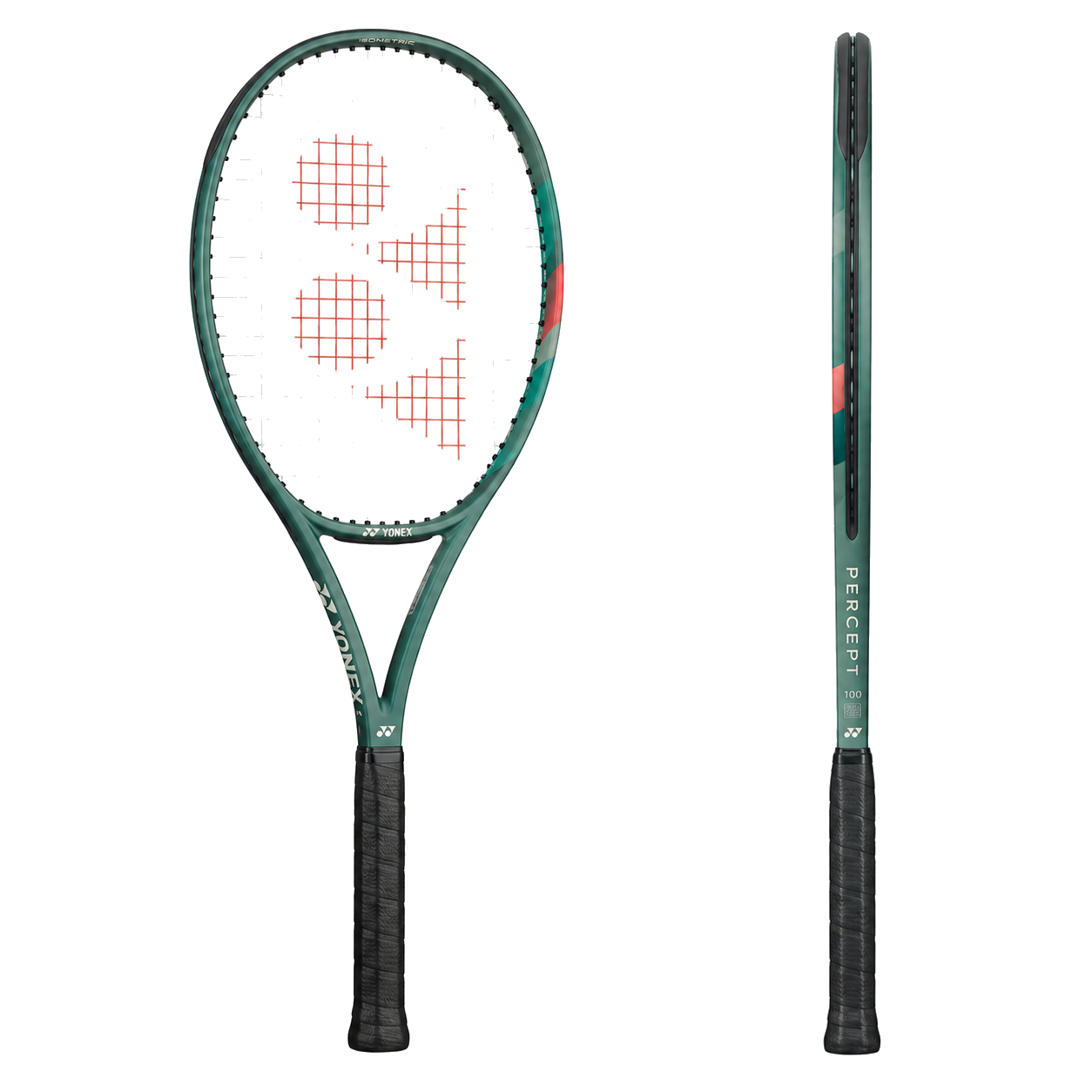
Yonex
Percept 100
Built for controlled all-court play and comfortable feel.
Strong for controlled all-court play, but less ideal for free power.
A controlled, comfortable 100 square inch frame for players who want precision with modern forgiveness.
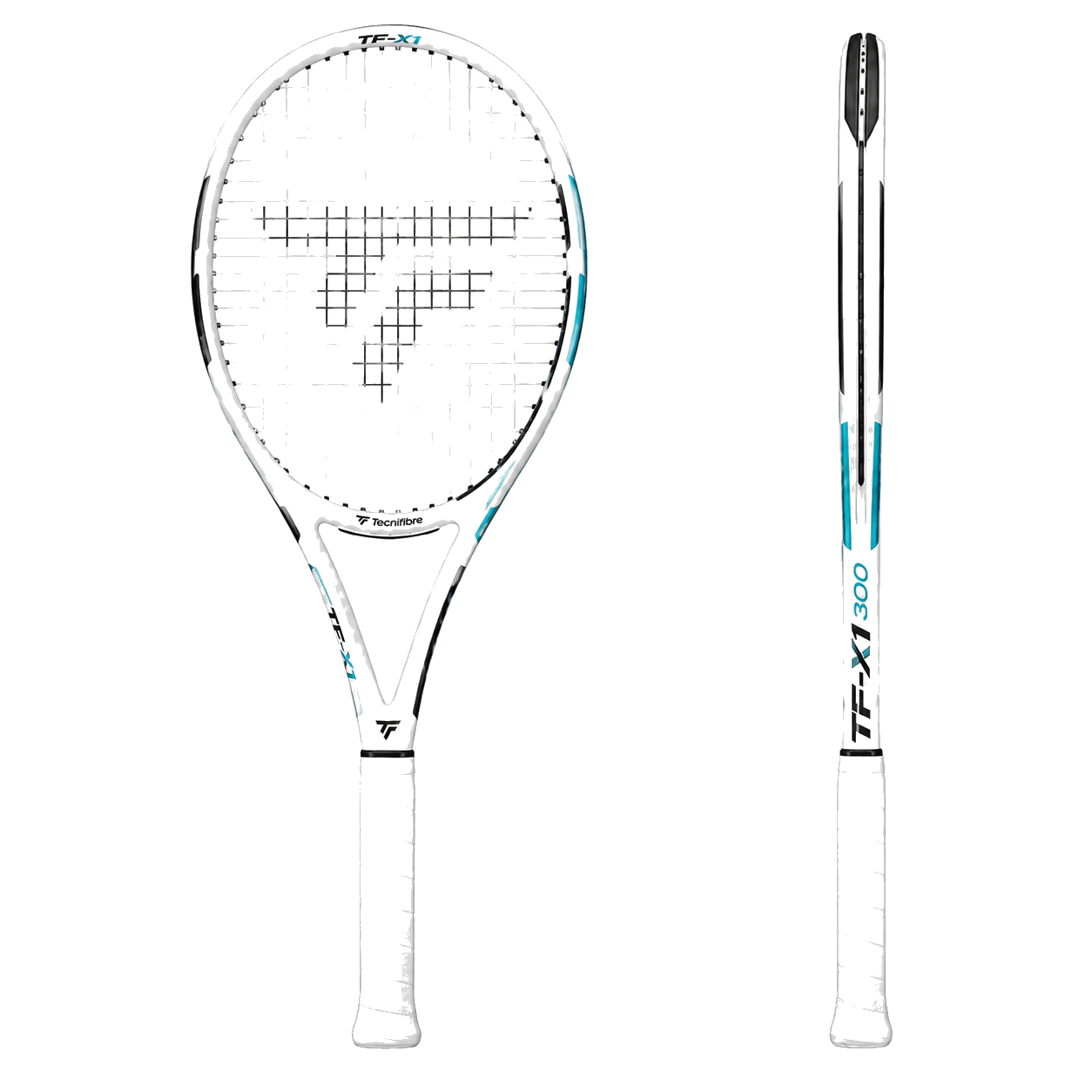
Tecnifibre
TF-X1 V2 300
Built for easy power and comfortable response.
Strong for easy power, but less ideal for low-powered control.
A power-oriented Tecnifibre frame with vibration dampening for easier depth, spin, and a more comfortable response.
Comparison Table
| Racket | Best for | Price tier | Weight | Head size | Power | Control | Comfort |
|---|---|---|---|---|---|---|---|
| Wilson Clash 100 | Arm comfort | premium | 295g | 100 | 7 | 7 | 9 |
| Yonex Ezone 100 | Balanced power | premium | 300g | 100 | 8 | 7 | 8 |
| Head Gravity MP | Comfortable control | premium | 295g | 100 | 6 | 8 | 8 |
| ProKennex Ki Q+ 5 | Tennis elbow concerns | premium | 300g | 100 | 7 | 7 | 10 |
| Yonex Percept 100 | Controlled all-court play | premium | 300g | 100 | 6 | 8 | 8 |
| Tecnifibre TF-X1 V2 300 | Easy power | premium | 300g | 100 | 9 | 6 | 8 |
How to Choose
Start with comfort, stability, and swing effort. Softer-feeling frames and more forgiving responses are usually safer than stiff, lively rackets if your arm is already sensitive. Then check strings and tension, because even a good frame can feel harsh with the wrong setup.
Find My Racket MatchStill deciding?
Use the finder if you need a personal shortlist, or compare nearby rackets if the top picks feel close.