Racket comparison
Wilson Clash 100 vs Yonex Ezone 100
The Clash 100 is the softer, arm-friendlier choice. The Ezone 100 gives a firmer response with more direct power.
Clash 100 vs Ezone 100: short answer
Choose the Clash 100 if comfort is the priority. Choose the Ezone 100 if you still want comfort but need more direct power and a crisper feel.
Evaluation basis
How this matchup is evaluated
This comparison treats Wilson Clash 100 vs Yonex Ezone 100 as a buying decision, using the same specs, score categories, and player-fit trade-offs for both rackets.
The comparison uses the same spec fields for Wilson Clash 100 and Yonex Ezone 100: weight, head size, string pattern, stiffness, and balance.
Power, control, spin, comfort, maneuverability, stability, and forgiveness are compared side by side so you can see where each racket wins.
The verdict focuses on which player should choose each racket, not which brand is more famous.
A higher score in one area is treated as a trade-off to check against the other racket's strengths before making a shortlist.
These are comparative buying signals, not lab measurements or paid rankings.
Read the scoring methodologySide-by-Side Specs
| Spec | Wilson Clash 100 | Yonex Ezone 100 |
|---|---|---|
| Weight | 295g | 300g |
| Head size | 100 sq in | 100 sq in |
| String pattern | 16x19 | 16x19 |
| Stiffness | 54 | 68 |
| Balance | Head-light | Head-light |
Performance Comparison
| Category | Clash 100 | Ezone 100 | Edge | What the score means |
|---|---|---|---|---|
| Power | 7 | 8 | Yonex Ezone 100 | A higher power score means the frame should help create depth and pace with less effort; a lower score usually rewards fuller swings and better timing. |
| Control | 7 | 7 | Tie | A higher control score means the frame should help players aim confidently on full swings; a lower score usually trades precision for easier depth. |
| Spin | 7 | 7 | Tie | A higher spin score means the frame should reward fast acceleration, open-pattern response, and topspin-heavy stroke shapes. |
| Comfort | 9 | 8 | Wilson Clash 100 | A higher comfort score means the frame is less likely to feel harsh, especially when stiffness and stability are favorable. |
| Maneuverability | 8 | 7 | Wilson Clash 100 | A higher maneuverability score means the racket should move more easily on returns, volleys, and compact swings. |
| Stability | 7 | 8 | Yonex Ezone 100 | A higher stability score means the racket should resist twisting better against pace, though it may require more strength to swing well. |
| Forgiveness | 8 | 8 | Tie | A higher forgiveness score means the racket gives more margin on off-center contact, which matters most for beginners and improving players. |
Who Should Choose Each Racket
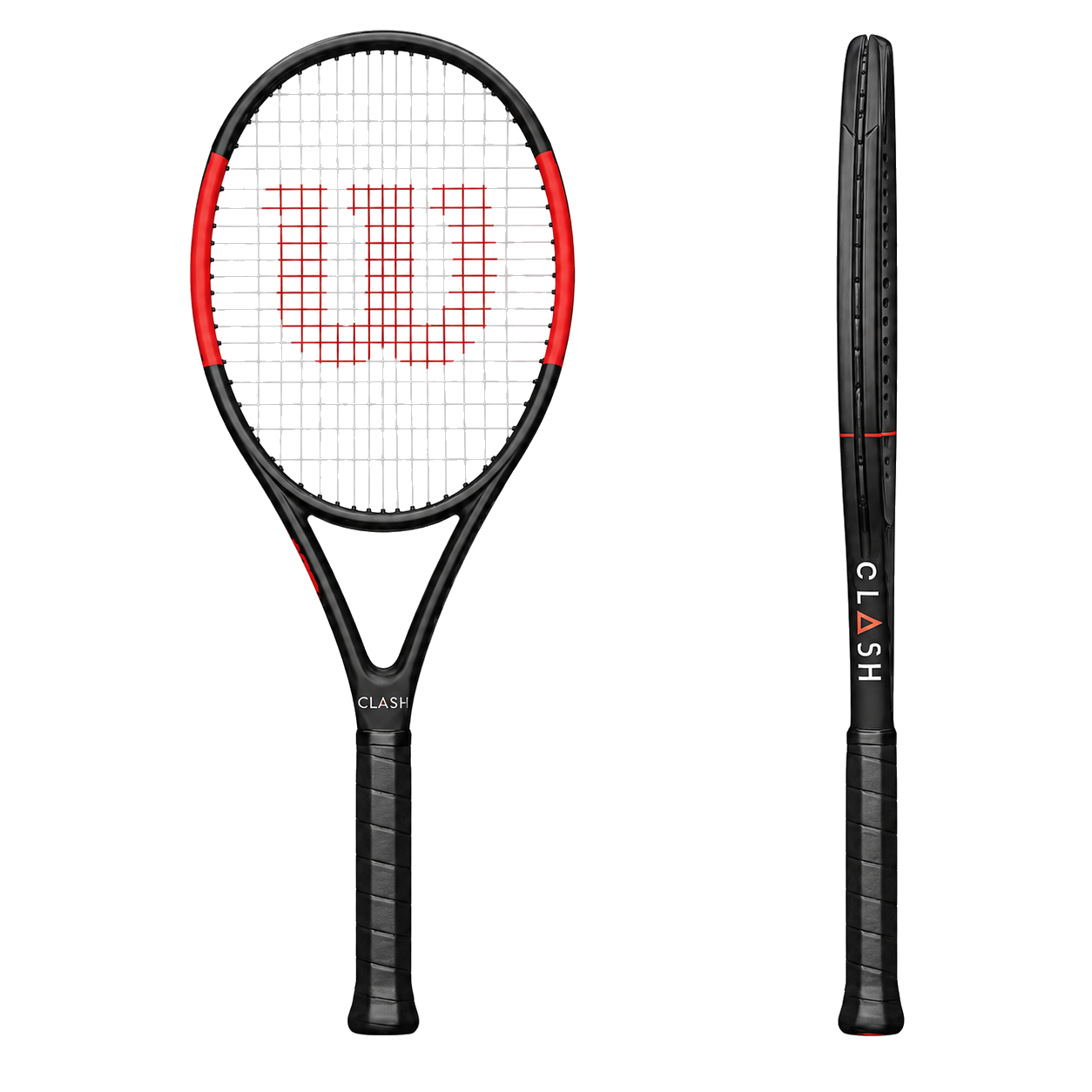
Wilson
Clash 100
Built for arm comfort and easy depth.
Strong for arm comfort, but players who need free power should compare livelier alternatives.
A flexible, arm-friendly racket for players who need comfort, forgiveness, and enough control for all-court play.
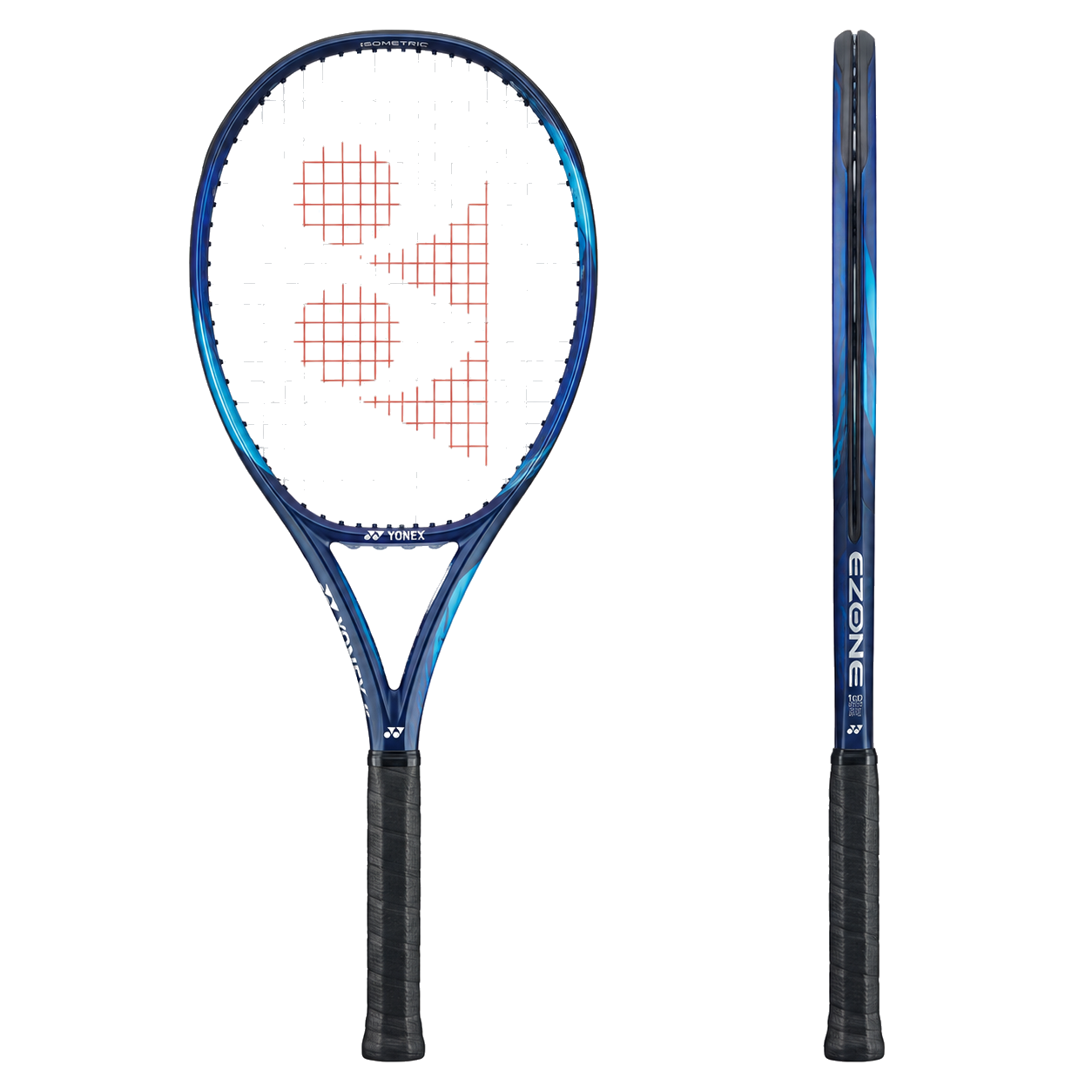
Yonex
Ezone 100
Built for balanced power and forgiving response.
Strong for balanced power, but players chasing maximum precision may want a more control-focused frame.
A versatile modern racket with easy power, strong comfort, and a forgiving sweet spot.
Related Comparisons
If this matchup is close, compare one of these nearby alternatives before you decide.
Babolat Pure Drive vs Yonex Ezone 100
Babolat Pure Drive vs Yonex Ezone 100: compare the quick verdict, specs, comfort, power, and which 100 sq in racket is easier to trust.
Compare nextYonex Ezone 100 vs VCore 100
Compare Yonex Ezone 100 vs VCore 100 for power, spin, comfort, forgiveness, and baseline play.
Compare nextWilson Clash 100 vs ProKennex Ki Q+ 5
Compare Wilson Clash 100 vs ProKennex Ki Q+ 5 for arm comfort, stability, forgiveness, and all-court play.
Compare next